
Getting stuck on the Lotus365 login page can be frustrating, especially when you are not sure what is causing the problem. You might see an error message, a blank screen, or find that the page simply will not load. Instead of trying every possible solution, it is much easier to identify the exact symptom first and then use the fix that matches your situation. This guide is designed to help you do exactly that. By following the right steps for your specific login issue, you can save time and avoid unnecessary confusion while troubleshooting.
Quick Self-Check Before You Troubleshoot
Before trying advanced fixes, take a minute to check a few basic things. First, make sure you are using the same Lotus365 website address that you have successfully used or bookmarked before. If the URL is different, you may be on the wrong page.
Next, carefully note the exact error message or error code you see. Even a small detail can point to the correct solution.
Finally, check whether your internet connection is working by opening a few other websites or apps. If they load normally, the problem is more likely related to the login process rather than your network.
What Exactly Is Happening? (Diagnose by Symptom)
Page Won’t Load / Blank Screen / Endless Spinner
If the login page does not open, shows a blank screen, or keeps spinning without loading, the problem is usually related to your internet connection or the platform’s server. A weak Wi-Fi signal, unstable mobile data, or temporary server maintenance can stop the page from loading properly.
Start by checking whether your internet connection is working. Open another website or app to confirm your connection is stable. If everything else works, refresh the page or close and reopen the browser. You can also switch between Wi-Fi and mobile data to see if that solves the issue.
Sometimes, stored browser cache and cookies can create loading problems. Clearing your browser data or opening the website in an incognito/private window may help. If you are using the mobile app, make sure it is updated to the latest version.
If the page still refuses to load after trying these steps, wait for a short time and try again later. Temporary server issues are usually fixed by the platform without any action needed from users.
“Invalid Credentials” Even Though Details Are Correct
Seeing an “Invalid Credentials” message can be frustrating, especially when you are sure your username and password are correct. In many cases, the issue is caused by small typing mistakes rather than a problem with your account.
Check that your username or registered mobile number is entered correctly. Passwords are case-sensitive, so make sure the Caps Lock key is not turned on. If your password contains special characters or spaces, enter them carefully.
If you recently changed your password, confirm that you are using the updated one instead of the old version. Browser auto-fill can sometimes insert outdated login details, so try typing everything manually.
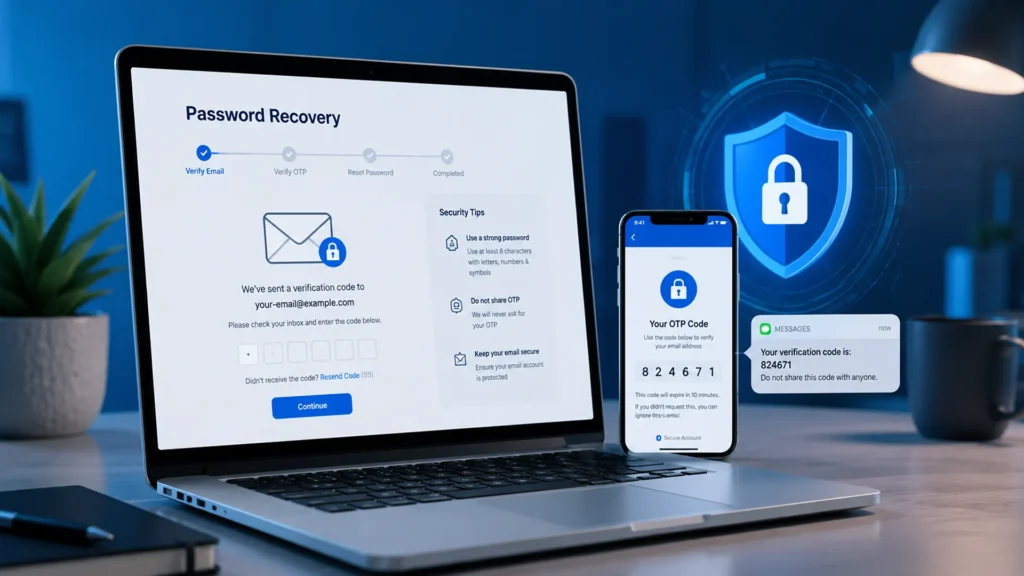
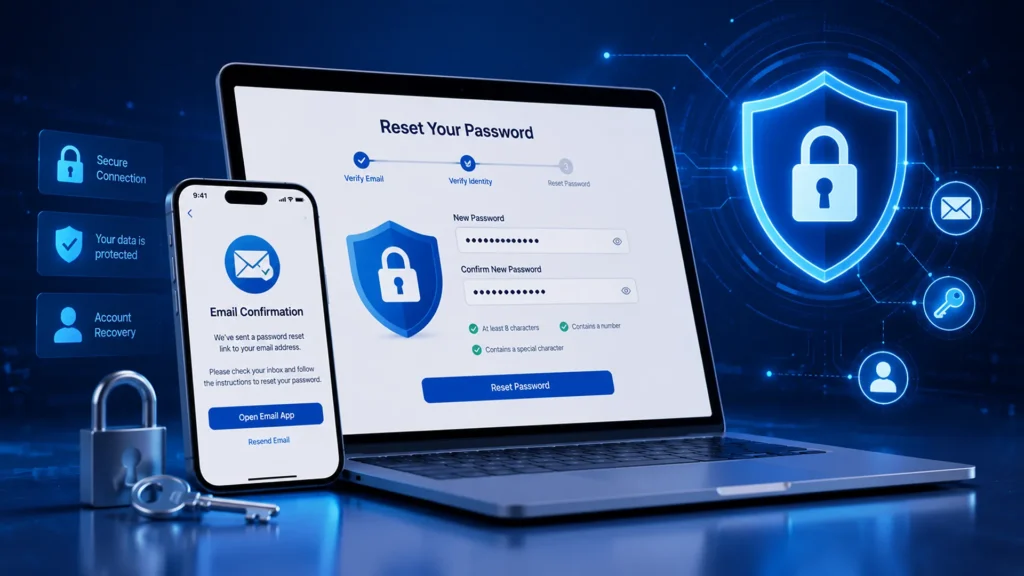
If you still cannot log in, use the Forgot Password option to reset your password. Follow the instructions sent to your registered email address or mobile number. After creating a new password, try signing in again. If the error continues even after a successful password reset, your account may require verification or support from the platform’s customer service team.
OTP or 2FA Code Never Arrives
Many platforms use One-Time Passwords (OTP) or Two-Factor Authentication (2FA) codes to protect user accounts. If the verification code does not arrive, there are several simple things you can check before assuming there is a bigger problem.
First, confirm that your registered mobile number or email address is correct. If you are waiting for an SMS, make sure your phone has network coverage and can receive text messages. For email verification codes, check your Spam or Junk folder because automated emails sometimes end up there.
Wait a few minutes before requesting another code. Sending multiple requests in a short time can delay delivery or temporarily block new codes. If available, choose a different verification method, such as receiving the code by email instead of SMS.
Restarting your phone or turning Airplane Mode on and off can also refresh your mobile network connection. If the OTP still does not arrive after several attempts, contact the platform’s support team to verify your account information and receive further assistance.

App Freezes or Crashes on Launch
If the app opens but immediately freezes or closes, the problem is usually related to the app version, device storage, or software compatibility. Fortunately, this issue can often be fixed with a few basic troubleshooting steps.
Start by checking for app updates in your device’s app store. Developers regularly release updates that fix bugs and improve stability. Running an outdated version can lead to unexpected crashes.
Next, restart your phone and close any apps running in the background. Low available memory can affect app performance. Also, check that your device has enough free storage space, as a full storage drive can cause apps to behave unpredictably.
If the problem continues, clear the app’s cache through your device settings. If that does not help, uninstall the app completely and install a fresh copy. This removes corrupted files that may be causing the issue.
Finally, ensure your phone’s operating system is up to date. If the app still crashes after trying all these steps, the issue may be related to the platform itself, and waiting for the next app update or contacting customer support is the best option.
Could It Be a Network or Connectivity Issue?
Sometimes the issue is not with the website itself. A temporary network or connectivity problem can also prevent a page from loading properly. Before assuming the platform is down, it helps to identify whether the problem is affecting only your connection or everyone.
One simple way to check is by switching between different internet connections. For example, if you’re using Wi-Fi, try your mobile data, or vice versa. If the website loads on one network but not the other, the issue is likely related to your connection rather than the site.
You can also check whether the domain resolves correctly. If your browser cannot find the website at all or displays a DNS-related error, the problem may be connected to your network or internet service provider. On the other hand, if the domain opens but certain pages fail to load, the cause could be elsewhere.
The timing of the problem can provide useful clues as well. If many users are trying to access the website during a major sporting event or another period of heavy traffic, slower response times or temporary loading issues may occur. However, if the problem continues long after peak traffic has passed, it may indicate a different technical issue.
Looking at these basic signs can help you understand whether the issue appears to be local to your device or network, or whether it is more likely affecting the website itself.
Making Sure You’re on a Legitimate Login Page
Before entering your account details, take a moment to confirm that you’re on the correct Lotus365 login page. Many similar-looking websites exist because the platform often uses different domains or mirror links. At the same time, scammers also create fake websites that closely copy the original design to trick users into sharing their login details.
Here are a few warning signs that you may be on a phishing or fake login page:
- The website address (URL) looks different from the one you normally use.
- The page asks for extra personal information, such as your bank PIN, OTP, or full card details.
- You are redirected several times before reaching the login page.
- The site has poor design, broken images, spelling mistakes, or unusual pop-up messages.
- The security lock (HTTPS) is missing from the browser’s address bar.
The safest approach is to use the official login link shared by your verified agent or the platform’s official communication channels. Avoid clicking on random search results, sponsored ads, or links shared in unknown social media groups. If a page looks different from what you’re used to or asks for information that isn’t normally required, leave the site immediately and verify the correct login URL before signing in. This simple check can help protect your account and personal information.
Device-Specific Fixes
If basic troubleshooting has not solved the problem, try the device-specific steps below. Clearing cached data, removing corrupted files, or disabling conflicting browser extensions often fixes login, loading, and performance issues. Follow the instructions for your device carefully.
Android
On Android, clearing the app cache is usually the quickest way to fix loading or login problems without deleting your account information.
Follow these steps:
- Open Settings.
- Tap Apps (or Apps & Notifications, depending on your device).
- Select the app from the list.
- Tap Storage & Cache.
- Choose Clear Cache.
If the problem continues, return to the same screen and tap Clear Storage (sometimes called Clear Data). This resets the app to its default state, so you may need to sign in again.
After clearing the cache or storage, restart your phone and open the app again. Also, make sure you have enough free storage space and that the app is updated to the latest version from your device’s official app store.
iOS
If you’re using an iPhone or iPad, iOS does not provide a direct option to clear an app’s cache. Instead, you can offload or reinstall the app.
To offload the app:
- Open Settings.
- Go to General → iPhone Storage.
- Select the app.
- Tap Offload App.
- Tap Reinstall App after the process is complete.
Offloading removes the app while keeping your documents and settings. If the issue remains, delete the app completely and install it again. Before deleting, make sure you know your login details.
Also, check that your iPhone is running the latest version of iOS, as software updates often include bug fixes that improve app stability and performance.
Desktop Browser
Browser-related issues are commonly caused by outdated cache files, cookies, or conflicting extensions.
Use the appropriate steps for your browser:
- Google Chrome: Settings → Privacy and Security → Delete Browsing Data.
- Microsoft Edge: Settings → Privacy, Search, and Services → Clear Browsing Data.
- Mozilla Firefox: Settings → Privacy & Security → Cookies and Site Data → Clear Data.
- Safari (Mac): Safari → Settings → Privacy → Manage Website Data.
After clearing the cache and cookies, restart the browser and try again. If the issue still exists, temporarily disable browser extensions, especially ad blockers or privacy tools, as they can sometimes interfere with website functionality.
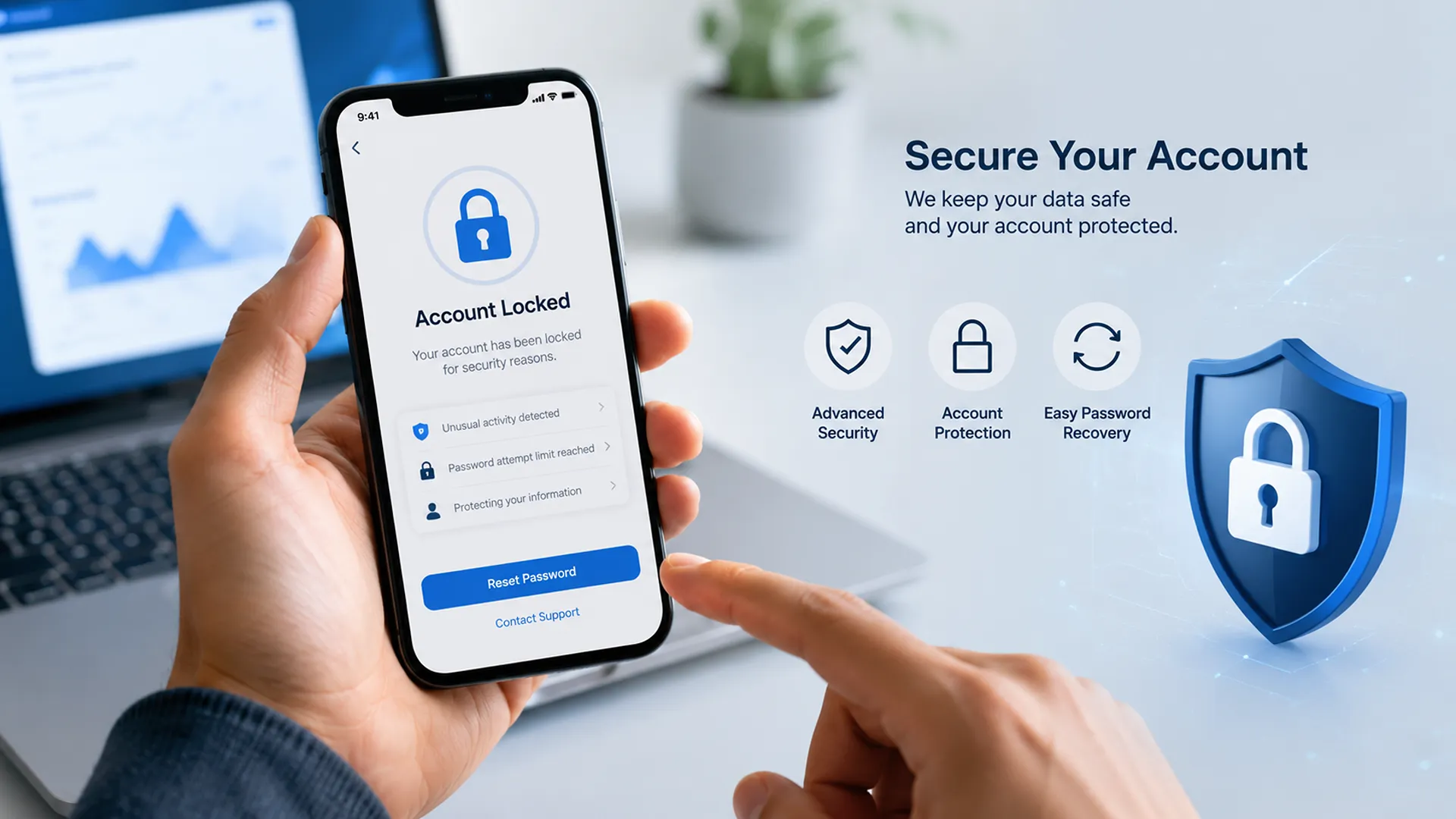
Account Locked? Here’s How to Tell Why
If you cannot access your account, the first step is to understand why it was locked. Not every lockout means there is a security problem. In many cases, it is simply a temporary protection feature.
A routine failed-attempt lockout usually happens after several incorrect login attempts. This is designed to stop repeated password guessing. Most platforms automatically unlock the account after a short waiting period, which can range from 15 to 30 minutes, although the exact time depends on the platform’s security settings. During this time, avoid making more login attempts, as repeated failures may extend the lockout.
A security-triggered lock is different. It may happen if the system detects a login from a new device, an unusual location, or other suspicious activity. If you do not recognize these login attempts, change your password immediately and review your recent account activity. Contact customer support if you believe someone else tried to access your account.
If your account uses OTP or two-factor authentication (2FA), you may still need to complete the verification process after the lockout ends. Make sure you have access to your registered mobile number or email to receive the verification code. If the OTP does not arrive, check your network connection, spam folder, or request a new code after waiting a few minutes. Following these steps can help you regain access safely while keeping your account protected.
When to Contact Support (and What to Have Ready)
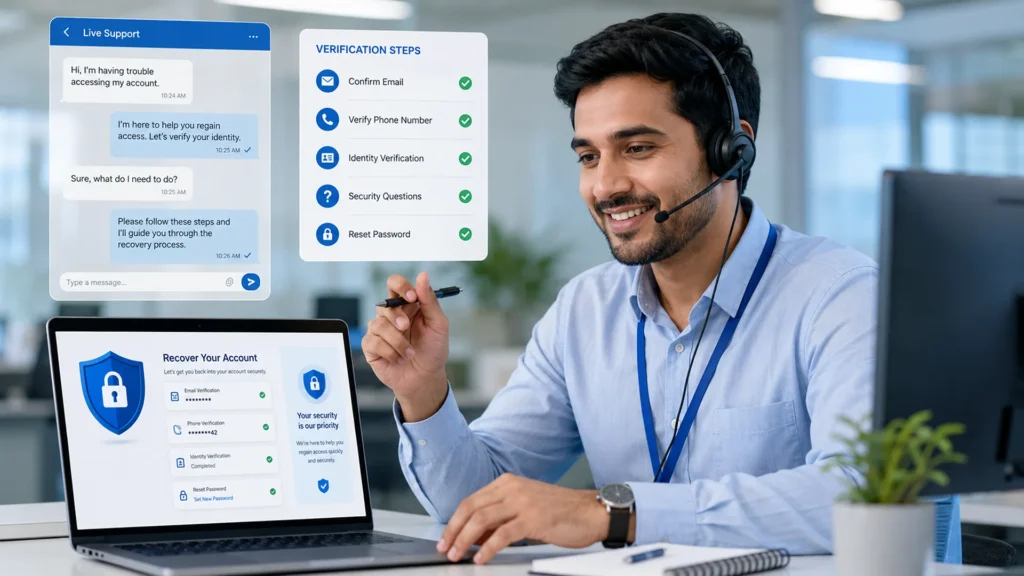
If you’re unable to log in, your payment is delayed for longer than expected, your account is locked, or you notice unusual activity, it’s a good time to contact customer support. Having the right information ready can help resolve the issue faster.
Before reaching out, keep these details with you:
- Your registered username or user ID
- The phone number or email linked to your account
- Transaction ID (if your issue is payment-related)
- Date and time of the problem
- Screenshots of any error messages or failed transactions
When contacting support, explain the issue clearly and provide only the information needed to verify your account.
To stay safe, always use the platform’s official support channels. Avoid contacting people through random social media accounts, messaging apps, or unofficial groups claiming to offer customer support, as these are common scam methods.
FAQ
How long does a Lotus365 lockout last?
The length of a Lotus365 account lockout depends on the reason. A temporary lock caused by multiple incorrect login attempts may last from a few minutes to several hours. If the account is locked for security or verification reasons, you may need to contact customer support before access is restored.
What should I do if I forgot my Lotus365 login password?
Use the password recovery option on the login page if it is available. If you cannot reset the password yourself, contact the official Lotus365 support team and verify your account details to regain access safely.
Why is my Lotus365 account locked?
Common reasons include entering the wrong password several times, suspicious login activity, incomplete account verification, or security checks. Following the platform’s verification process can help resolve the issue.
Can I avoid future Lotus365 account lockouts?
Yes. Use a strong password, keep your login details secure, avoid repeated incorrect login attempts, and complete any required account verification. These simple steps can reduce the chance of your Lotus365 account being locked again.