
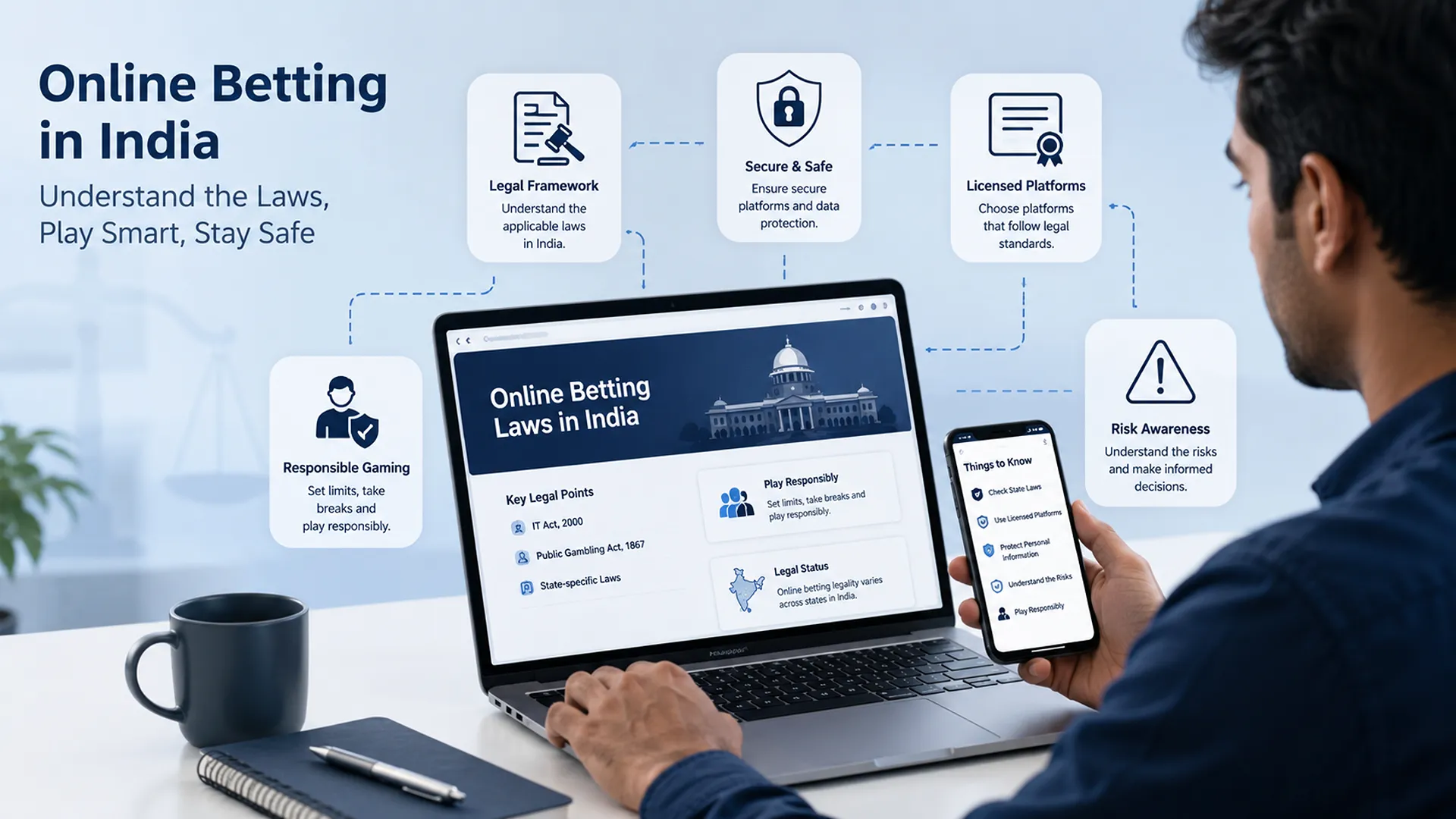
Dream11, MPL, and other fantasy apps paused real-money play after India’s 2025 gaming law. Learn how Lotus365 differs, the legal situation, and the risks users should know in 2026.
For many years, people compared Lotus365 with fantasy sports apps like Dream11 and MPL because both were popular among cricket fans. However, that comparison no longer reflects the current situation in India.
After changes introduced through India’s 2025 online gaming regulations, many licensed fantasy sports platforms paused or changed their real-money offerings in several parts of the country to comply with the updated legal framework. This created confusion among users looking for alternatives.
Lotus365 operates differently from licensed fantasy sports platforms. Fantasy sports generally involve building a virtual team and earning points based on the real-life performance of selected players. In contrast, Lotus365 offers betting-style services where users place wagers on sports or other events. These are different activities with different legal and regulatory considerations.
Because of this, calling Lotus365 a replacement for a licensed fantasy sports app is misleading. A fantasy sports platform and a betting platform are not the same product, even if both involve sports.
If you are deciding between the two, it is important to understand:
- They operate under different business models.
- They are subject to different legal and regulatory issues.
- The availability of services can change depending on Indian laws and your state.
- Betting platforms may carry higher legal and financial risks than licensed fantasy sports services.
Before using any online gaming platform, always check the latest laws that apply in your state, review the platform’s terms and conditions, and understand the risks involved. Making informed decisions is more important than assuming one platform is a direct alternative to another.
What Changed in 2026 — and Why This Comparison Is Now Outdated
If you’re comparing fantasy sports platforms in 2026, the biggest change is not which app is better—it’s the law. After the Promotion and Regulation of Online Gaming Act, 2025 was passed in August 2025, real-money online gaming was banned across the country. This changed how fantasy sports platforms operate and made many older comparison articles no longer accurate.
As a result, major fantasy sports brands such as Dream11, My11Circle, MPL, PlayerzPot, and Halaplay paused their real-money contests. Instead of offering cash-entry competitions, these platforms shifted their focus to free-to-play games, practice contests, and other entertainment features that follow the latest legal requirements.
Because of this nationwide change, users can no longer choose between these platforms based on prize pools, entry fees, or cash winnings. Those features are no longer available in the same way they were before the new law.
That is why this article takes a different approach. Rather than comparing which platform offers bigger rewards or more paid contests, it focuses on a more useful question: what’s actually legal now?
In the following sections, you’ll learn how these fantasy sports platforms have changed, what free-to-play features they currently offer, and what users should know before signing up. This updated information is designed to help you understand the current fantasy gaming landscape in 2026, instead of relying on outdated comparisons based on real-money contests.
How Fantasy Sports Apps and Lotus365 Actually Differ (Mechanics, Not Marketing)
Fantasy sports scoring — deterministic, based on real player stats
Fantasy sports apps work by letting users create a virtual team made up of real players. Your score depends on how those players perform in an actual match. Runs scored, wickets taken, catches, assists, goals, or other official match statistics are converted into fantasy points based on the platform’s scoring rules.
This means the outcome is tied to real sporting events and player performance, not chance. Success often depends on research, player selection, team balance, and understanding match conditions. While no result is guaranteed, the scoring system follows predefined rules, making it easier for users to understand how points are earned.
Sportsbook betting — wagering against odds
A sportsbook works differently from fantasy sports. Instead of building a team, users place predictions on specific outcomes, such as which team will win, the total number of runs, or whether a player will achieve a certain milestone. The potential return is based on the odds available when the prediction is made.
Platforms like Lotus365 offer sportsbook features where odds can change before and during live matches as the game develops. Users review the available markets and choose the outcome they believe is most likely. The final result depends on whether the selected prediction matches the actual event.
Casino-style products — RNG games like slots, Teen Patti, Aviator
Casino-style games are a separate category from both fantasy sports and sportsbooks. These games do not depend on real sports statistics or match results. Instead, outcomes are generated using Random Number Generator (RNG) technology or game-specific mechanics, depending on the product.
Common examples include slots, Teen Patti, roulette, blackjack, and crash-style games such as Aviator. Each game has its own rules, pace, and gameplay experience. Unlike fantasy contests, there is no team selection or player performance involved, and unlike sportsbook markets, outcomes are not linked to a live sporting event.
Takeaway: Fantasy sports, sportsbook platforms like Lotus365, and casino-style games are different product categories with different mechanics—they are not competing versions of the same thing.
Is Lotus365 Actually Licensed? The Contradiction in Its Own Marketing
The “skill-gaming” claim (Sikkim license)
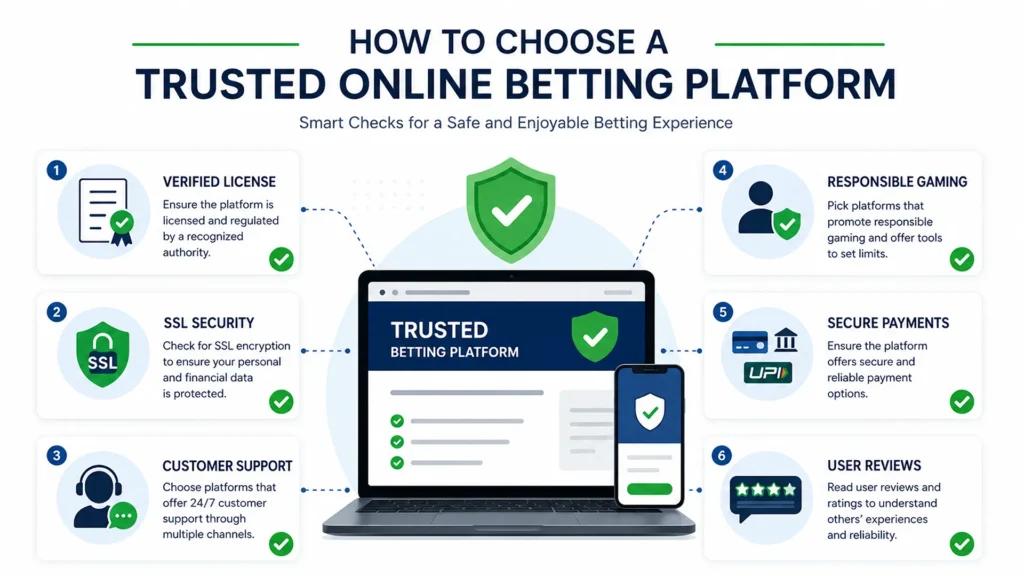
One of the biggest questions users ask is whether Lotus365 is actually licensed. On some Lotus365-related websites, the platform is presented as a skill-gaming service that operates under a Sikkim gaming license. This type of claim suggests that certain games are offered within a regulated framework. However, many of these pages do not provide clear license numbers, the name of the licensed company, or official documents that users can verify independently. Without transparent details, it becomes difficult for new users to confirm whether the claim applies to the specific Lotus365 website they are visiting.
The “Curaçao betting license” claim on other Lotus365 domains
At the same time, other Lotus365 domains make a completely different claim. Instead of referring to a Sikkim-based license, they state that the platform operates under a Curaçao betting license, which is commonly used by many international online gaming platforms. In some cases, these websites display a license logo or mention Curaçao in the footer, but they still do not provide enough information to verify the license through an official public record. Since different Lotus365 websites promote different licensing claims, users may find it difficult to know which statement, if either, applies to the service they are using.
What this inconsistency signals to users
For anyone checking whether Lotus365 is legitimate before signing up, these mixed licensing claims should be treated as a warning sign. A trustworthy platform usually presents consistent licensing information across its official website, terms, and legal pages. If one domain mentions a Sikkim license while another claims a Curaçao license without clear verification, it raises important questions about transparency. Before creating an account or sharing personal information, users should always verify licensing details from official sources instead of relying only on marketing claims. Clear and consistent information is an important indicator of trust.
What “Licensed” Actually Means for Indian Users Right Now
Domestic Apps Post-2025 Act — Free-to-Play Only, No Real-Money Contests
After the Digital Personal Data Protection and online gaming changes that took effect in 2025, the meaning of “licensed” has become more specific for Indian users. Many Indian gaming apps now focus on free-to-play games instead of real-money contests. These platforms may be registered businesses and follow Indian laws for privacy, user verification, and platform operations. However, being a legal company does not automatically mean the app is approved to offer real-money gaming across India. If you see the word “licensed” on an Indian platform, always check what it actually refers to rather than assuming it covers all gaming activities.
Offshore Platforms Like Lotus365 — No Indian Regulatory Recognition, Legal Grey Area
Platforms such as Lotus365 are generally operated from outside India. They may mention international licenses issued by foreign authorities, but these licenses are not officially recognized by Indian gaming regulators. This creates a legal grey area for Indian users. While these platforms may be accessible online, they do not hold a nationwide Indian license for real-money gaming. Before using any offshore platform, users should verify the information provided, read the platform’s terms carefully, and understand that foreign licensing does not equal approval under Indian law.
State-Level Bans Still Layered on Top
Even after the 2025 legal changes, state laws continue to play an important role. Some states, including Andhra Pradesh, Assam, Odisha, and Telangana, have stricter rules or restrictions on certain real-money online games. This means a platform that is accessible in one state may still face legal restrictions in another. Users should always check the latest rules in their own state before joining or participating in any real-money gaming activity.
The Risks Nobody’s Telling You About
Payment Blocking — Banks Required to Block Transactions to Unlicensed Platforms
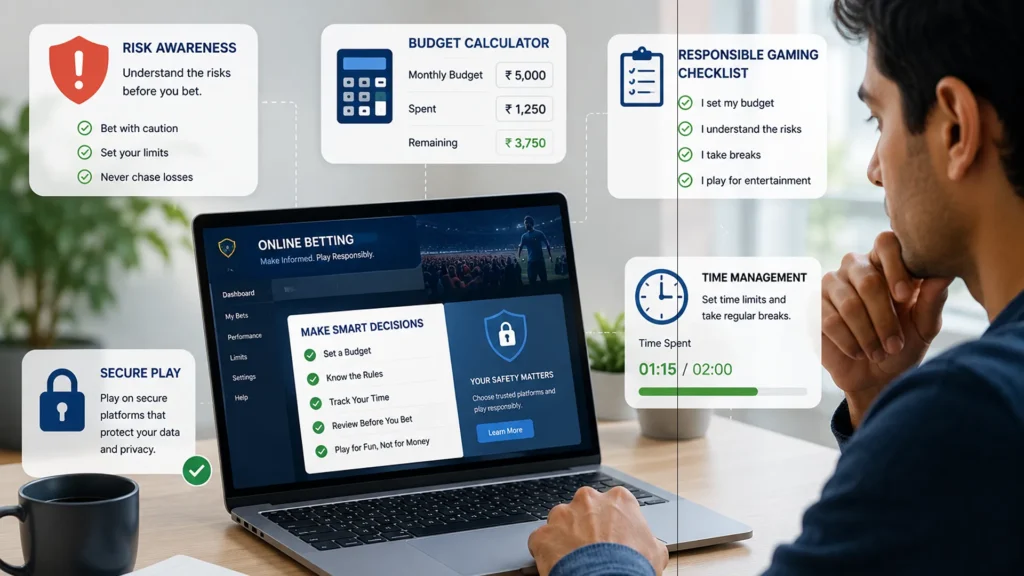
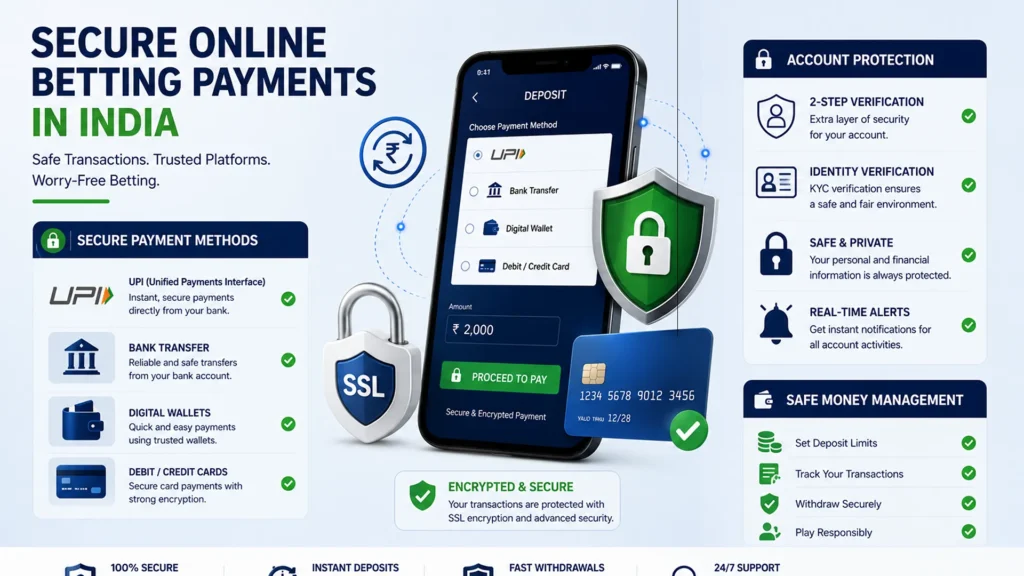
One risk many users overlook is payment disruption. Financial institutions and payment service providers may block transactions linked to unlicensed or unauthorized platforms if they are required to follow regulatory guidelines. This can lead to failed deposits, delayed withdrawals, or frozen transactions without much warning. If your payment does not go through, it can be difficult to know whether the issue is with your bank, the payment gateway, or the platform itself. Before making any payment, always check whether the platform uses trusted payment methods and follows the applicable rules in your region.
No Legal Recourse With Offshore Operators in a Dispute
If you use an offshore platform and something goes wrong, resolving the issue can be much harder than many people expect. Problems such as delayed withdrawals, account restrictions, bonus disputes, or sudden account closures may leave users with very limited options. Since these operators are often based outside India, local consumer protection laws may not apply in the same way. Even if customer support responds, there is no guarantee that the issue will be resolved fairly. This is why it is important to verify a platform’s reputation, licensing information, and support policies before creating an account.
Tax Exposure Applies Either Way — 28% GST, 30% TDS on Winnings Over ₹100
Many people assume that using an offshore platform changes their tax responsibilities, but that is not the case. Tax obligations can still apply based on Indian law. Users should be aware that online gaming activities may be subject to a 28% GST under the applicable tax framework, while 30% TDS can apply to net winnings above ₹100, depending on the current tax rules. Keeping accurate records of deposits, withdrawals, and winnings is a good practice. If you are unsure about your tax obligations, consult a qualified tax professional to ensure you remain compliant with the latest regulations.
So What Should You Actually Do?
If you are thinking about using SportsBaazi, take a careful approach before adding money or creating an account. Rules and platform availability can change, so always check the app’s current status and any official updates before making a deposit.
Do not assume that a Curaçao license automatically means the platform is legal to use in India. A foreign license is different from complying with Indian laws. Since gaming regulations vary from one state to another, it is important to understand the rules where you live.
Any real-money fantasy sports or betting platform should be treated as a high-risk activity. There are legal, financial, and personal risks involved, including the possibility of losing money. Only participate if you fully understand the risks and the laws that apply in your state.
Before making any decision, verify information through official sources, review the platform’s latest terms and policies, and check whether your state permits the activity. Taking a few minutes to confirm the current legal position can help you avoid unnecessary problems. Staying informed and acting with caution is always the safest approach.
FAQ
Is Dream11 banned in India now?
No. Dream11 is not banned across India. It continues to operate in many states where fantasy sports are allowed under local laws. However, some states have restrictions or specific rules for online gaming platforms. Before creating an account or playing, always check the latest laws and regulations that apply in your state.
Is Lotus365 legal for Indian users?
Lotus365 is an offshore platform, and its legal status for Indian users is not the same as licensed fantasy sports platforms. India does not have a single nationwide law covering offshore gaming websites. The rules can vary depending on your state. It is important to understand local regulations and use only trusted platforms after reviewing the applicable legal requirements.
What’s the difference between fantasy sports and sports betting under Indian law?
Fantasy sports usually involve creating a virtual team based on real player performance and are often considered games of skill in several court decisions. Sports betting, on the other hand, generally involves placing money on the outcome of a match or event. The legal treatment of these activities is different and depends on state-specific laws and regulations.
Do I still have to pay tax on offshore gaming winnings?
Yes. Tax obligations may still apply even if winnings come from an offshore gaming platform. Indian tax rules can require users to report and pay tax on eligible gaming income. The exact amount and reporting requirements depend on current tax laws and your individual situation. If you receive significant winnings, it is wise to keep proper records and consult a qualified tax professional for guidance.